Why crocodiles matter
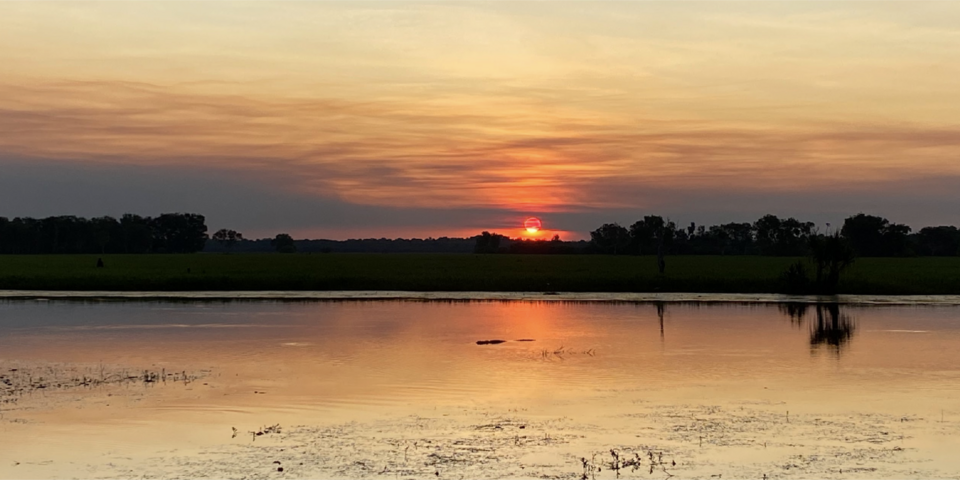
Crocodiles are the last great survivors of a lineage that stretches back more than 200 million years. As predators at the top of the food chain they keep fish and other prey populations in balance, and the nutrients from their meals and nests feed the water and the banks around them. In dry seasons, some species dig deep holes that stay wet and shelter fish, frogs and birds until the rains return. A river or marsh with healthy crocodiles is usually a healthy river or marsh.
Many species, not one
There are about two dozen living crocodilians, from the giant saltwater crocodile to the small dwarf crocodile. The species page introduces the best known with a comparison table.
Pressures on crocodiles
Habitat loss, hunting, conflict with people and a changing climate all weigh on crocodiles. The threats page explains how.
Protecting crocodiles
Protected areas, patrols, trade rules and ordinary people all help. The protection page shows what works and what anyone can do.
This site
This is a small information site in English, made of local HTML pages and one local stylesheet: no scripts, no fonts or images from other sites. The pictures are photographs from Wikimedia Commons, kept as local copies; their credits are in the figure captions and in assets/pictures.md.