Protection that works
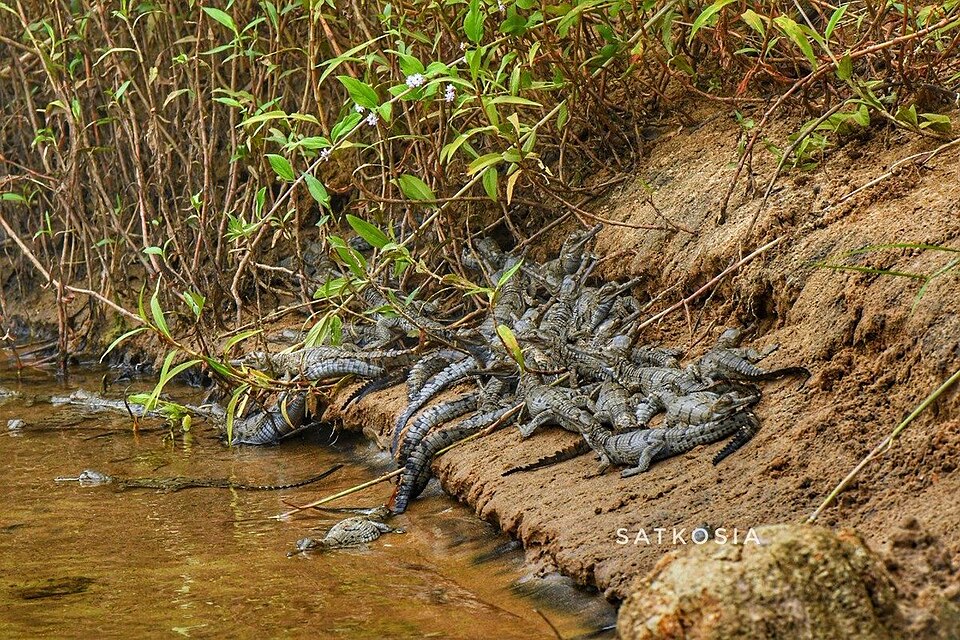
Crocodile numbers have recovered where protection is real, for example for the American alligator and the saltwater crocodile in northern Australia. Protection works best when it combines law, patrols and the interests of local people.
Protected areas
National parks, reserves and wetland sites safeguard nesting banks and the waters around them. Their value depends on enforcement and on keeping connected waterways between them.
Anti-poaching
Rangers patrol nesting sites, remove illegal nets and traps, and work with communities and police against trafficking. Marking and tracking legal skins makes illegal ones easier to spot.
CITES
The Convention on International Trade in Endangered Species of Wild Fauna and Flora regulates international trade in crocodilians. Species are listed in different appendices according to risk, and trade needs permits. Some programmes allow regulated farming and ranching, which can give local people a reason to keep wild habitat.
Citizen action
Anyone can help: choose to learn about local wildlife, support reputable conservation groups, avoid buying products made from wild reptile skin of unknown origin, follow safety signs near water, and report illegal activity to local authorities. Never feed wild crocodiles; it makes them lose fear of people.
What to read next
Return to the home page, the species or the threats.