Pressures that add up
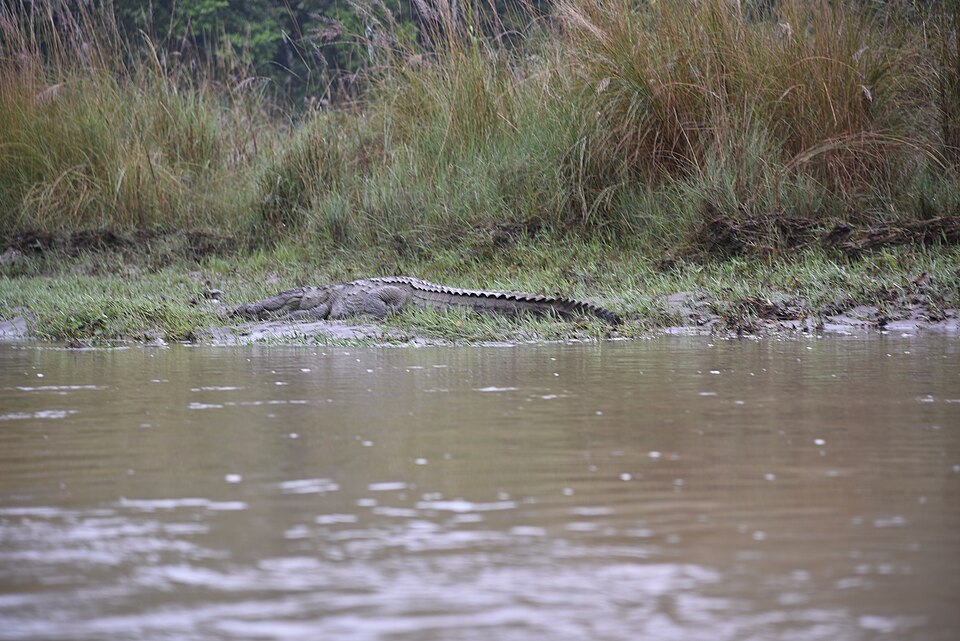
Most crocodile species are not in immediate danger, but several are, and almost all face the same few pressures. They rarely act alone: a drained marsh leaves crocodiles closer to villages, which leads to conflict, which leads to killing.
Habitat loss
Wetlands are drained for farming, dammed for power, and cleared for towns and shrimp farms. Mangroves and riverbanks that serve as nesting sites disappear, and what is left is fragmented and polluted.
Hunting
Crocodiles have been hunted for their skins, meat and body parts. Heavy hunting in the twentieth century almost wiped out several species; illegal hunting and collecting of eggs continue in some regions.
Human–crocodile conflict
Where people fetch water, wash, fish or swim in crocodile habitat, attacks can happen, and they are often answered by killing the animals. Livestock losses add to resentment. Most conflict is preventable with fencing, safe water points and clear warnings.
Climate change
Rising seas flood nests and turn fresh water salty. Droughts shrink pools and concentrate animals in small spaces, while storms and floods wash away nests. The sex of crocodile hatchlings depends on nest temperature, so warming can skew the balance between males and females.
What to read next
See how crocodiles are protected, or go back to the species.